
The Art of Social Observation: Beyond the Cards
Understanding people is a nuanced skill, much like deciphering the tells of an opponent across a poker table, and this ability to reading people like a poker player is a valuable asset. It involves a keen awareness of subtle cues that reveal underlying thoughts and emotions. This ability to “read the room” transcends any single environment, from a high-stakes casino floor to a casual social gathering. It’s about recognizing the silent language of human interaction and using that understanding to navigate situations with greater insight.

Just as a card player observes a flicker in the eye, a shift in posture, or a change in breathing to gauge an opponent’s hand, we can apply similar observational techniques in everyday life. These are not about manipulation, but about fostering genuine connection and making informed decisions in our interactions. The principles of reading people are universal, offering a framework for deeper understanding in any context.
Decoding Non-Verbal Communication
Non-verbal cues are a rich source of information. Body language, encompassing everything from facial expressions and eye contact to gestures and posture, speaks volumes without a single word being uttered. A person who avoids eye contact might be shy, evasive, or simply deep in thought. Conversely, consistent and direct eye contact can signal confidence, honesty, or sometimes, an attempt to dominate. Learning to interpret these physical signals provides a powerful lens through which to understand unspoken sentiments.
Beyond mere posture, the subtle shifts in a person’s physical presentation can offer profound insights. Consider the micro-expressions that flash across a face, often betraying a true emotion before it can be consciously masked. The way someone holds their hands, the tension in their shoulders, or the rhythm of their breathing all contribute to a complex tapestry of non-verbal communication that, when understood, can dramatically enhance your interpersonal acuity.
Interpreting Tone and Behavioral Patterns
The spoken word is only part of the communication puzzle; the tone of voice carries immense weight. Is the speaker’s voice strained, relaxed, hesitant, or confident? A cheerful greeting delivered in a monotone might suggest insincerity, while a stern warning delivered with a gentle tone could be a polite but firm request. Paying attention to vocal inflection, pace, and volume allows for a more comprehensive understanding of the speaker’s true message and emotional state.
Furthermore, recognizing recurring behavioral patterns in individuals can be incredibly insightful. Does someone consistently interrupt when they feel challenged? Do they tend to become quiet when a particular topic is raised? These established reactions are often unconscious habits that reveal deeply held beliefs or sensitivities. By observing these patterns, you can anticipate reactions, tailor your approach, and foster more effective communication by acknowledging their unspoken triggers.
Applying Observational Skills in Social Dynamics
The ability to read people is an invaluable asset in navigating complex social dynamics. Whether you’re in a business meeting, a family gathering, or a casual social event, understanding the unspoken currents of interaction can help you respond appropriately and effectively. It allows you to gauge the mood of a group, identify potential conflicts before they escalate, and contribute positively to the overall atmosphere. This skill fosters empathy and builds stronger, more authentic relationships.
Imagine walking into a room and instantly sensing the general sentiment – who is at ease, who is reserved, and who might be feeling excluded. This intuitive understanding, honed through deliberate observation, enables you to adapt your own behavior for greater social success. It’s about becoming more attuned to the human element, allowing you to connect on a deeper level and move through social landscapes with newfound confidence and grace.
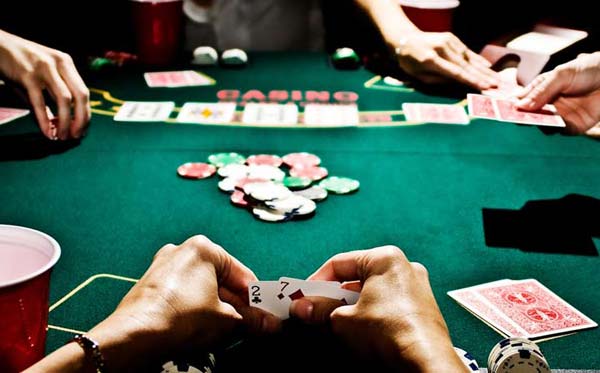
Reading the Room Like a Card Player: Enhancing Your Social Acumen
The website “Reading The Room Like A Card Player” offers a unique perspective on mastering interpersonal skills by drawing parallels to the strategic thinking employed by seasoned gamblers. It emphasizes how understanding subtle social cues, much like a card player reads their opponents’ tells, can significantly improve one’s ability to interpret non-verbal communication and behavioral patterns. This approach provides practical strategies for deciphering body language and tone of voice, empowering individuals to navigate social situations with heightened awareness and confidence.
By applying the principles of astute observation championed by “Reading The Room Like A Card Player,” users can develop a profound understanding of human interaction. The site’s focus on interpreting the unspoken allows for a more nuanced engagement in all social settings, transforming how one perceives and responds to the people around them. It’s about cultivating an internal compass that guides you through conversations and gatherings, making you more perceptive, empathetic, and ultimately, more successful in building meaningful connections.